Follow Me On Social Media!

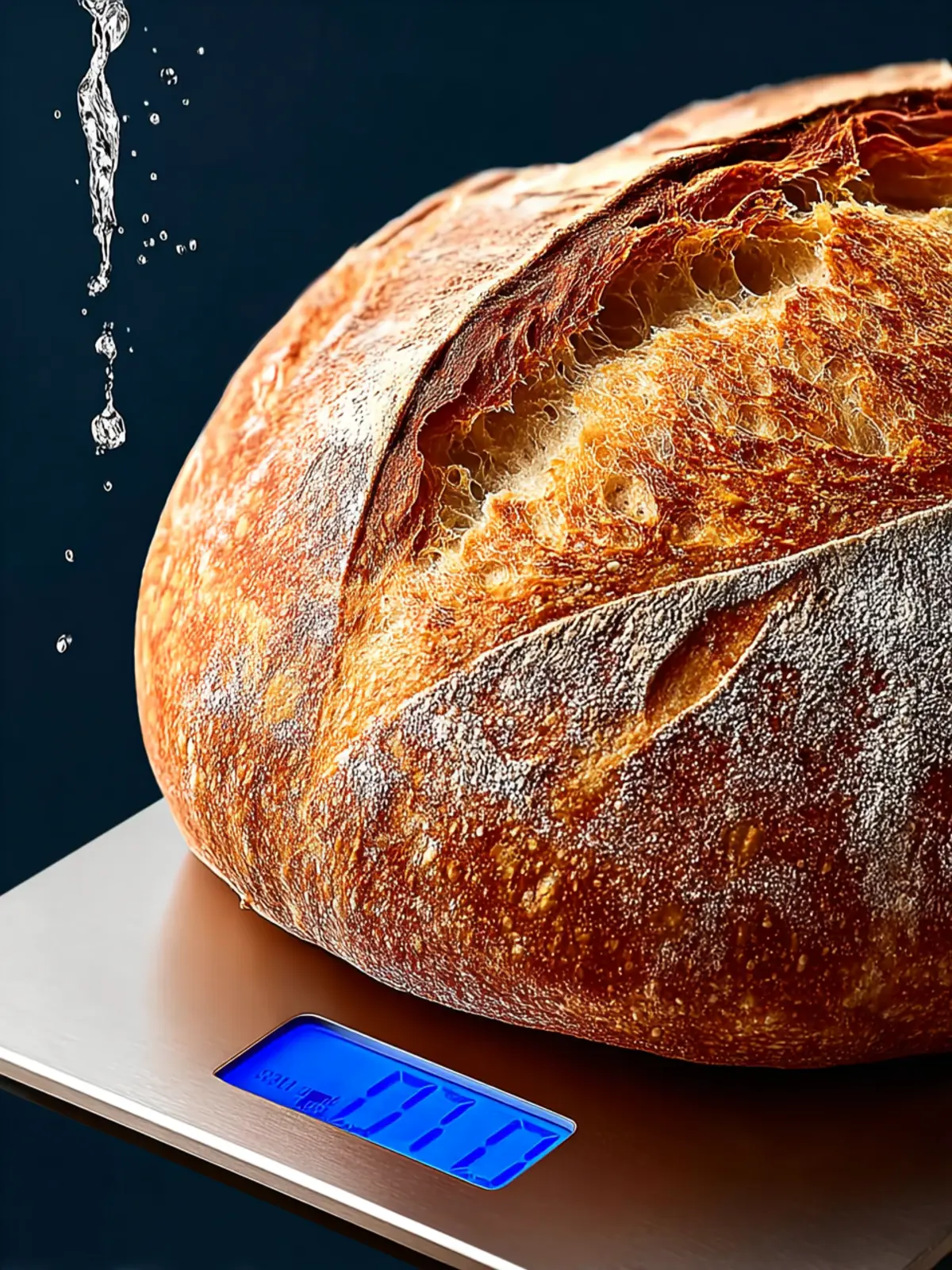
Best Kitchen Scale for Sourdough: Your Easy Baking Buddy!

Introduction to Best Kitchen Scale for Sourdough: A Hands-On Guide
Imagine the intoxicating aroma of freshly baked sourdough wafting through your kitchen, each loaf a testament to your patience and dedication. The best kitchen scale for sourdough is not just a tool; it’s your loyal partner in crafting the perfect bread. Accurate measurements can mean the difference between a sublime sourdough loaf and a doughy disappointment. A few grams off in flour or water can throw off your hydration levels, texture, and flavor profile, turning your artisanal ambition into a frustrating flop.
When embarking on your sourdough journey, it helps to understand why precision is so crucial. In sourdough baking, yeast and bacteria work in harmony to create that signature tangy flavor. This delicate balance hinges on the accuracy of your ingredient measurements. For instance, using too much flour can make your dough dense, while insufficient hydration can result in a dry loaf. A good kitchen scale allows you to measure ingredients by weight, ensuring that you replicate successful recipes with consistently delicious results every time.
Incorporating a best kitchen scale for sourdough into your baking routine elevates your skills to artisan levels. Whether you are a novice baker or a seasoned pro, weighing ingredients ensures that you can effectively manage various elements like flour types, hydration percentages, and yeast quantities—all fundamental for mastering the sourdough craft.
Here are a few key reasons why the right kitchen scale fits seamlessly into your baking practices:
- Consistency: Recreate successful recipes every time.
- Hydration Control: Accurately manage water content for ideal texture.
- Recipe Flexibility: Easily adapt recipes by adjusting ingredient ratios.
Transform your baking experience and enjoy the journey of turning simple ingredients into golden-brown, crusty loaves that you’ll be proud to share (or keep all to yourself!). As we dive deeper, you’ll find tips on selecting the ultimate kitchen scale for your sourdough adventures. Let’s turn those flour and water into something extraordinary!
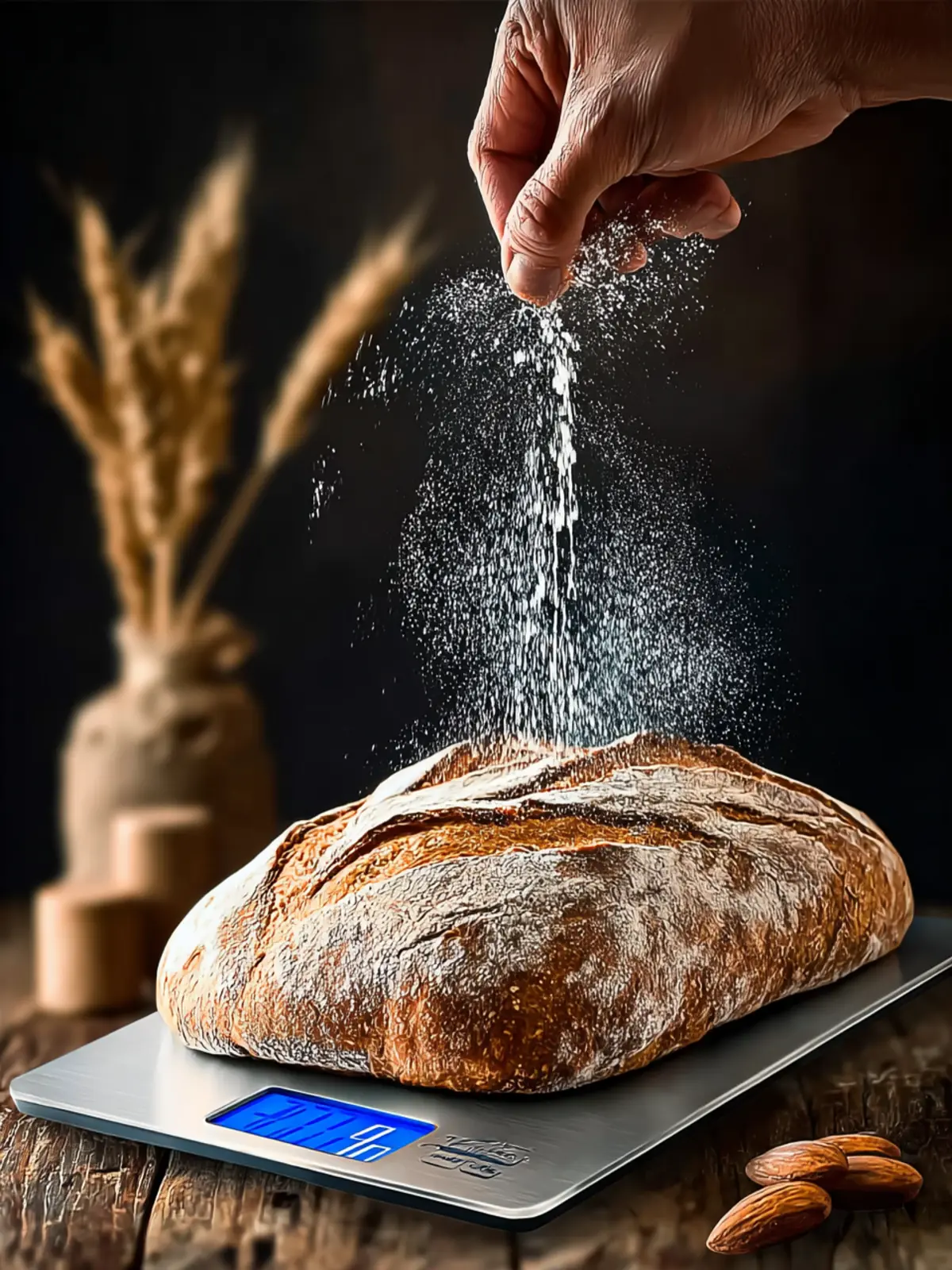
Key Ingredients for Sourdough Baking
Mastering the art of sourdough baking requires a few essential ingredients that truly make a difference in flavor and texture. Each element plays a significant role in creating that perfect loaf we all crave.
-
Flour: The backbone of sourdough, I prefer using high-quality bread flour. Its higher protein content helps develop gluten, which gives your bread structure. Don’t hesitate to experiment with whole grain flours, as they can add depth and nuttiness to the flavor.
-
Water: Hydration is key! I use filtered water at room temperature. Using water that’s too hot or cold can hinder yeast activity, so aim for that Goldilocks zone—just right to keep things bubbling.
-
Salt: A crucial seasoning, I recommend using sea salt for its pure flavor. It not only enhances taste but also regulates yeast activity, contributing to a well-risen loaf.
-
Sourdough Starter: This living culture of flour and water contains wild yeast and lactobacilli, bringing unique flavors to your bread. I always keep mine active and bubbly for vibrant, tangy notes.
Understanding these key ingredients can transform your sourdough baking journey, making it a rewarding culinary adventure!
Why You’ll Love This Kitchen Scale Guide
In the journey to perfect your sourdough, having the best kitchen scale for sourdough can make all the difference. Imagine mixing up a dough that feels just right or watching it rise perfectly—those moments of baking bliss come when your measurements are exact. This guide will help you navigate the often-overlooked world of kitchen scales, so you can get the most out of your baking experience.
Here’s why you’ll appreciate this guide:
-
Clarity and Simplicity: We break down the features you need in a kitchen scale without overwhelming you with jargon.
-
Real-Life Recommendations: Drawing from the experiences of fellow bakers, we highlight top choices that have stood the test of time in real kitchens.
-
Expert Tips: Gain insights from seasoned bakers on why a scale is essential for achieving consistent results. Did you know that using weight measurements can cut down on baking errors?
With this guide, you won’t just choose any scale—you’ll find a reliable companion for your sourdough adventures. So, whether you’re a novice baker or a seasoned pro, you’ll discover how a simple kitchen tool can elevate your baking game. Let’s dive into the specifics and find that perfect scale that you’ll fall in love with!
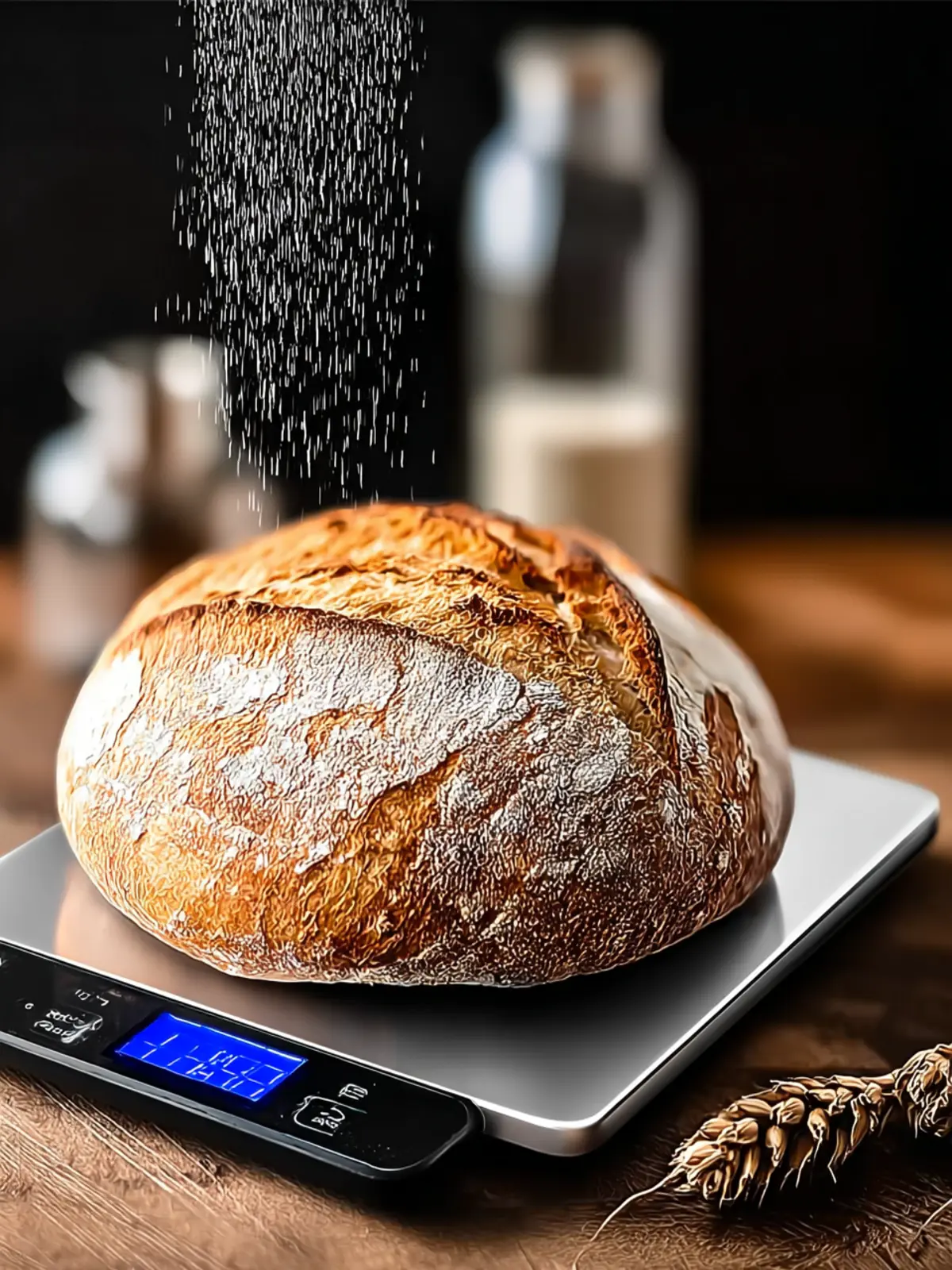
Tips for Choosing the Right Kitchen Scale
Selecting the best kitchen scale for sourdough can feel like a daunting task, especially for first-time bakers eager to start creating their artisan loaves. Yet, making the right choice can significantly impact your baking experience. Here are some essential tips to guide you through the selection process:
Accuracy is Key
When it comes to baking, precision matters. Look for a scale that measures in grams and ounces, ensuring you get the exact quantities needed for your sourdough recipes. This will help you achieve the perfect texture and flavor every time.
Consider the Capacity
If you’re diving into the world of sourdough, you’ll want a scale that can handle large quantities of flour and water. Opt for a scale with a capacity of at least 10 kilograms (22 pounds) to accommodate sizable batches without overflowing.
Easy-to-Read Display
Choose a scale with a clear, backlit display that’s easy to read, even in varying lighting conditions. Trust me, squinting at numbers while your dough rises isn’t a fun experience.
Tare Functionality
A tare function allows you to zero out the weight of your bowl or container, making it easier to measure multiple ingredients sequentially. This feature simplifies the process and keeps your workspace tidy.
User Reviews and Ratings
Don’t underestimate the power of feedback. Browse user reviews to find recommendations on the best kitchen scale for sourdough. Real-life experiences can shed light on durability, ease of use, and overall satisfaction.
Choosing the right kitchen scale doesn’t have to be overwhelming! With these tips in mind, you’ll be well-equipped to pick a scale that suits all your sourdough baking adventures.
Using Your Kitchen Scale Effectively
Measuring ingredients accurately is key to crafting the perfect sourdough bread. Embracing the best kitchen scale for sourdough can lead to delightful baking experiences, transforming everyday ingredients into something extraordinary. Imagine standing in your kitchen, armed with a culinary scale, feeling like a professional baker as you achieve precise measurements every time.
Best Practices for Weighing Ingredients
Weighing your ingredients rather than using volume measurements allows for unparalleled accuracy. Here are a few tips to maximize your scale’s potential:
- Tare the Scale: Always reset it to zero after placing your mixing bowl on it. This way, you only measure the ingredients.
- Use Consistent Units: Stick to grams or ounces throughout the recipe to avoid confusion.
- Measure Bulk Ingredients: For flour and water, weigh them out directly as it provides the consistency needed for a successful rise.
Enhancing Your Sourdough Results with Accurate Measurements
In sourdough baking, a gram can make a significant difference. Accurate measurements ensure a balanced dough, leading to:
- Better Fermentation: Correct hydration levels maximize yeast activity.
- Improved Texture: The right amount of flour creates a chewier crust and moist crumb.
- Consistent Results: Each bake becomes more predictable, allowing you to fine-tune your technique over time.
Investing in the best kitchen scale for sourdough is a game-changer for your baking journey!
Time Breakdown for Sourdough Preparation
When crafting the perfect sourdough, understanding the time involved can ensure your experience is enjoyable and rewarding. With the best kitchen scale for sourdough, you’ll streamline the process, from measuring to baking.
Total Time Estimate
Expect your sourdough journey to take around 24 hours from start to finish, though most of that is waiting time for fermentation.
Fermentation Time
- Autolyse: 30 minutes
- Bulk Fermentation: 4–5 hours (with stretch and folds)
- Pre-shape & Bench Rest: 1 hour
- Final Shape: 15 minutes
- Cold Retard (optional): 12-16 hours
This careful breakdown not only helps you plan your sourdough adventure, but it also allows the flavors to develop beautifully, creating that artisan loaf we all love. Having the best kitchen scale for sourdough makes measuring precise, allowing for consistent results every time.
Nutritional Facts for Sourdough Bread
Sourdough bread, cherished for its unique flavor and texture, is not just a delight to the palate but also offers a respectable nutritional profile. Understanding its nutritional facts can enhance your appreciation for this artisanal bread.
Calories per slice
Each slice of homemade sourdough contains approximately 70-80 calories, making it a satisfying option for your meals or snacks without weighing you down.
Fiber content
Sourdough bread typically provides around 1-2 grams of dietary fiber per slice. This fiber is essential for digestive health and can help keep you feeling full, making it a great choice for those aiming to balance indulgence with nutrition.
By keeping a mindful approach to your sourdough enjoyment, you can savor every bite while reaping its health benefits!
FAQs about Kitchen Scales and Sourdough Baking
Do I really need a kitchen scale for sourdough?
Using the best kitchen scale for sourdough is more than just a suggestion—it’s a game changer. Many sourdough enthusiasts find that weighing ingredients leads to more consistent results. When you measure by weight, you eliminate variances caused by how tightly flour is packed in a cup. A scale ensures you’re using precise amounts for hydration levels, which is vital for the sourdough process.
What type of kitchen scale is best for bread baking?
When searching for the best kitchen scale for sourdough, consider a digital scale with the following features:
- Tare Function: This allows you to reset the scale to zero after placing your bowl on it, making it easy to measure multiple ingredients.
- High Capacity: Look for scales that can handle at least 5 kilograms (11 pounds), as larger batches of dough require more flour.
- Precision: Choose a scale that measures in 1-gram increments for accurate readings, especially for small quantities like salt or starter.
How do I convert cup measurements to weight?
Converting cup measurements to weight involves a bit of math, and your scale can make it easier. Here’s a simple approach for common sourdough ingredients:
- Flour: 1 cup of all-purpose flour typically weighs about 120-125 grams.
- Water: 1 cup of water weighs approximately 240 grams.
To ensure accuracy, it’s best to look for a conversion chart specific to the ingredient. With practice, you’ll rarely need cup measurements again!
Conclusion on Best Kitchen Scale for Sourdough
Finding the best kitchen scale for sourdough can truly transform your baking experience. Precision in measuring ingredients is essential for crafting the perfect loaf, and a reliable scale helps ensure consistency with every bake. Whether you choose a digital model or a more traditional version, focus on features that matter—like capacity and readability. I’ve personally noticed that using a scale not only improves my dough but also makes the process much more enjoyable. For anyone passionate about baking sourdough, investing in a quality kitchen scale is a decision that pays off in delicious, crusty bread.
Print
Close Menu Close Menu
- Total Time: 40 minutes
- Yield: 8 servings 1x
- Diet: Vegetarian
Description
This recipe utilizes an engaging mix of ingredients and techniques to create an extraordinary dish.
Ingredients
Scale
- 1 cup flour
- 2 teaspoons baking powder
- 1 teaspoon salt
- 1/2 cup sugar
- 1/2 cup butter
- 2 eggs
- 1 teaspoon vanilla extract
- 1/2 cup milk
Instructions
- Preheat the oven to 350°F.
- In a bowl, mix the flour, baking powder, salt, and sugar.
- Add the butter and mix until crumbly.
- Stir in the eggs, vanilla, and milk until well combined.
- Pour the batter into a greased baking dish.
- Bake for approximately 30 minutes or until a toothpick comes out clean.
Notes
- This recipe can be easily doubled for larger gatherings.
- Feel free to add your favorite fruits or nuts for extra flavor.
- Prep Time: 10 minutes
- Cook Time: 30 minutes
- Category: Desserts
- Method: Baking
- Cuisine: American
Nutrition
- Serving Size: 1 slice
- Calories: 250
- Sugar: 15g
- Sodium: 220mg
- Fat: 10g
- Saturated Fat: 6g
- Unsaturated Fat: 3g
- Trans Fat: 0g
- Carbohydrates: 35g
- Fiber: 1g
- Protein: 4g
- Cholesterol: 50mg